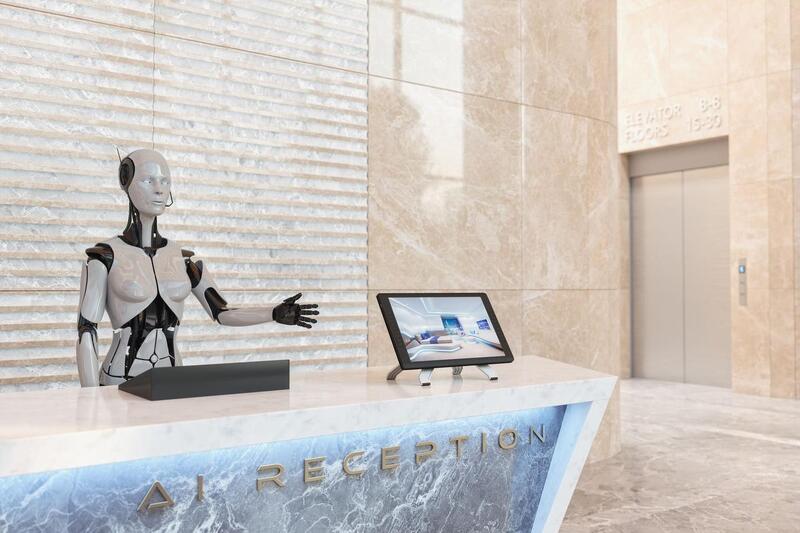
Elevating Hotel Guest Experience with AI-Powered Communication
The modern traveler expects more than just a comfortable bed and a clean room; they demand seamless service, personalized interactions, and instant gratification. In an increasingly digital world, the ability for hotels to truly hear and respond to every
guest voice has become a critical differentiator. This is where advanced AI-powered communication platforms are revolutionizing the hospitality industry, transforming how hotels engage with their guests, streamline operations, and drive profitability. By leveraging sophisticated artificial intelligence, hotels can now move beyond traditional, often manual, communication methods to deliver an unparalleled experience that fosters loyalty and enhances brand reputation.
Decoding the Guest Voice: The Imperative for Modern Hotels
In today's competitive hospitality landscape, every interaction counts. Guests arrive with a plethora of queries, from "What's the Wi-Fi password?" to "Can I get extra towels?" or "Where's the best local restaurant?". Historically, these inquiries have funneled through the front desk – a bottleneck that can quickly overwhelm staff, lead to delays, and ultimately, compromise guest satisfaction. The inability to respond promptly and accurately to the diverse and constant stream of the
guest voice creates frustration, resulting in negative reviews and missed opportunities.
The challenge intensifies with the rise of global travel. Communication barriers due to language differences can lead to significant misunderstandings and service failures. Moreover, guests often prefer to communicate via their chosen channels, be it text, chat, or even voice. Hotels are therefore faced with the complex task of managing multi-channel communication, providing instant responses, and maintaining a high level of personalization, all while optimizing labor costs. This is precisely the void that AI-powered communication solutions like Guest Voice AI are designed to fill, providing a sophisticated answer to these perennial challenges.
How AI-Powered Communication Transforms the Guest Journey
The true power of AI in hospitality lies in its ability to enhance every touchpoint of the guest journey, from the moment they book to post-departure follow-ups. By automating and personalizing communication, AI tools ensure that the
guest voice is always heard and addressed efficiently.
Pre-Arrival Engagement: Setting the Stage for Excellence
The guest experience begins long before check-in. AI-powered platforms enable hotels to engage proactively with guests, providing helpful information about their stay, offering upgrade options, or suggesting local activities. This not only builds anticipation but also significantly reduces the volume of repetitive questions upon arrival. Imagine a guest receiving a personalized message with directions, check-in instructions, and dining recommendations tailored to their known preferences. This proactive outreach sets a positive tone and makes guests feel valued even before they step foot in the lobby.
Seamless In-Stay Support: Instant Gratification
During their stay, guests often have immediate needs. An AI-powered messaging platform can deliver instant, personalized responses to inquiries, requests, and service needs across multiple channels, including text, WhatsApp, and even voice. This means that if a guest needs an extra pillow or has a question about pool hours, they can get an answer immediately, without waiting on hold or having to approach the front desk. This real-time interaction significantly elevates convenience and satisfaction.
Key features transforming in-stay support include:
- Automated Inquiry Handling: Platforms like Guest Voice AI are engineered to automate up to 95% of guest inquiries, freeing up front-line staff for more complex, empathetic interactions. This is a game-changer for operational efficiency. To learn more about this remarkable capability, read our in-depth article: How Guest Voice AI Automates 95% of Hotel Guest Inquiries.
- Intelligent Service Dispatch: When a request requires human intervention (e.g., maintenance, housekeeping), the AI system doesn't just answer; it creates time-stamped service tickets and automatically dispatches them to the appropriate hotel departments for immediate resolution. This drastically cuts down resolution times and ensures no request falls through the cracks.
- Multilingual Support and Accessibility: Built-in translation capabilities reduce miscommunication, allowing guests to communicate in their native language. Furthermore, voice interfaces designed to meet accessibility standards ensure that hotels can cater to a broader range of guests, truly giving every guest voice the attention it deserves.
Beyond Inquiries: Proactive Service and Personalization
Beyond simply answering questions, AI can analyze guest behavior and preferences to offer proactive, highly personalized services. This might include sending a timely offer for a spa treatment based on past booking history or suggesting a local event that aligns with their interests. Real-time dashboards and AI-driven insights empower hotels to understand evolving guest needs and implement targeted marketing strategies that resonate. This level of personalized care transforms a good stay into an unforgettable experience.
Operational Excellence and Financial Impact: More Than Just Answering Calls
While enhancing guest experience is paramount, the integration of AI-powered communication also brings substantial benefits to hotel operations and profitability. Jay Visnjic, founder and CEO of OpsTechPro, aptly states, “Guest Voice AI is more than just answering calls—it’s a financial strategy for hotels.”
Reducing Labor Costs and Optimizing Staff
By automating a vast majority of guest inquiries and service requests, AI platforms significantly reduce the workload on front desk staff and call centers. This translates directly into substantial labor cost savings. Hotels can optimize staffing levels, reallocate personnel to higher-value guest-facing roles, or manage peak periods without the need for extensive overtime. It means less time spent on repetitive tasks and more time for staff to engage in meaningful interactions that require human empathy and problem-solving skills, ultimately increasing employee satisfaction.
Streamlined Workflows and Departmental Synergy
The automatic creation and dispatch of service tickets, coupled with real-time tracking of resolution, ensure flawless communication across departments. This eliminates manual coordination errors, reduces delays, and improves overall efficiency. For instance, a guest request for amenities can be instantly routed to housekeeping, with the front desk able to monitor its status without manual follow-up. This level of integration, often seamless with major Property Management Systems (PMS) and ticketing platforms, creates a cohesive operational environment. To delve deeper into how this technology translates into measurable financial gains, explore our article:
Guest Voice AI: A Financial Strategy for Hotel Profitability.
Data-Driven Insights for Continuous Improvement
The data generated by AI communication platforms is invaluable. Real-time dashboards provide hotels with insights into guest sentiment, common inquiries, service bottlenecks, and resolution times. This treasure trove of information allows management to identify trends, make data-backed operational adjustments, and continuously refine their service offerings. Understanding what the
guest voice is consistently asking for or complaining about empowers hotels to proactively address issues and enhance their services, fostering a cycle of continuous improvement.
The Future of Hospitality: A Connected AI Ecosystem
The vision for AI in hospitality extends beyond individual communication tools to a fully interconnected ecosystem that automates and optimizes hotel operations holistically. Companies like OpsTechPro and VENZA are leading this charge, developing a suite of interoperable AI platforms designed to create a "closed loop" workflow.
This ambitious initiative includes:
- Guest Voice AI: The foundational platform for guest communication.
- ConciergeVoice.ai: Specialized for advanced call handling and personalized guest assistance.
- OpsTechPro.ai: Focusing on engineering, maintenance, and compliance, ensuring operational integrity.
- HotelCapEx.ai: For strategic capital planning and asset management.
Together, these systems mean a single
guest voice request can automatically generate a service ticket, trigger necessary engineering work, inform future replacement decisions, and even sync directly to accounting. This seamless flow of information and action drastically reduces manual oversight, ensures compliance, and optimizes resource allocation. The ultimate goal is a unified business intelligence dashboard that surfaces cross-platform insights, empowering hotels with unprecedented control and foresight over their entire operation. This level of innovation truly drives efficiency, compliance, and guest satisfaction simultaneously, as emphasized by Jeff Venza, chairman of VENZA.
Conclusion
The hospitality industry is at the cusp of a significant transformation, driven by the intelligent application of AI. By harnessing the power of platforms like Guest Voice AI, hotels can move beyond merely reacting to the
guest voice to proactively engaging, personalizing interactions, and optimizing every aspect of their service delivery. This not only elevates the guest experience to new heights, fostering loyalty and creating memorable stays, but also translates into substantial operational efficiencies and a measurable impact on profitability. As AI continues to evolve, the hotels that embrace these intelligent communication solutions will undoubtedly set new standards in guest satisfaction and redefine what it means to offer world-class hospitality in the digital age.